



[:es]
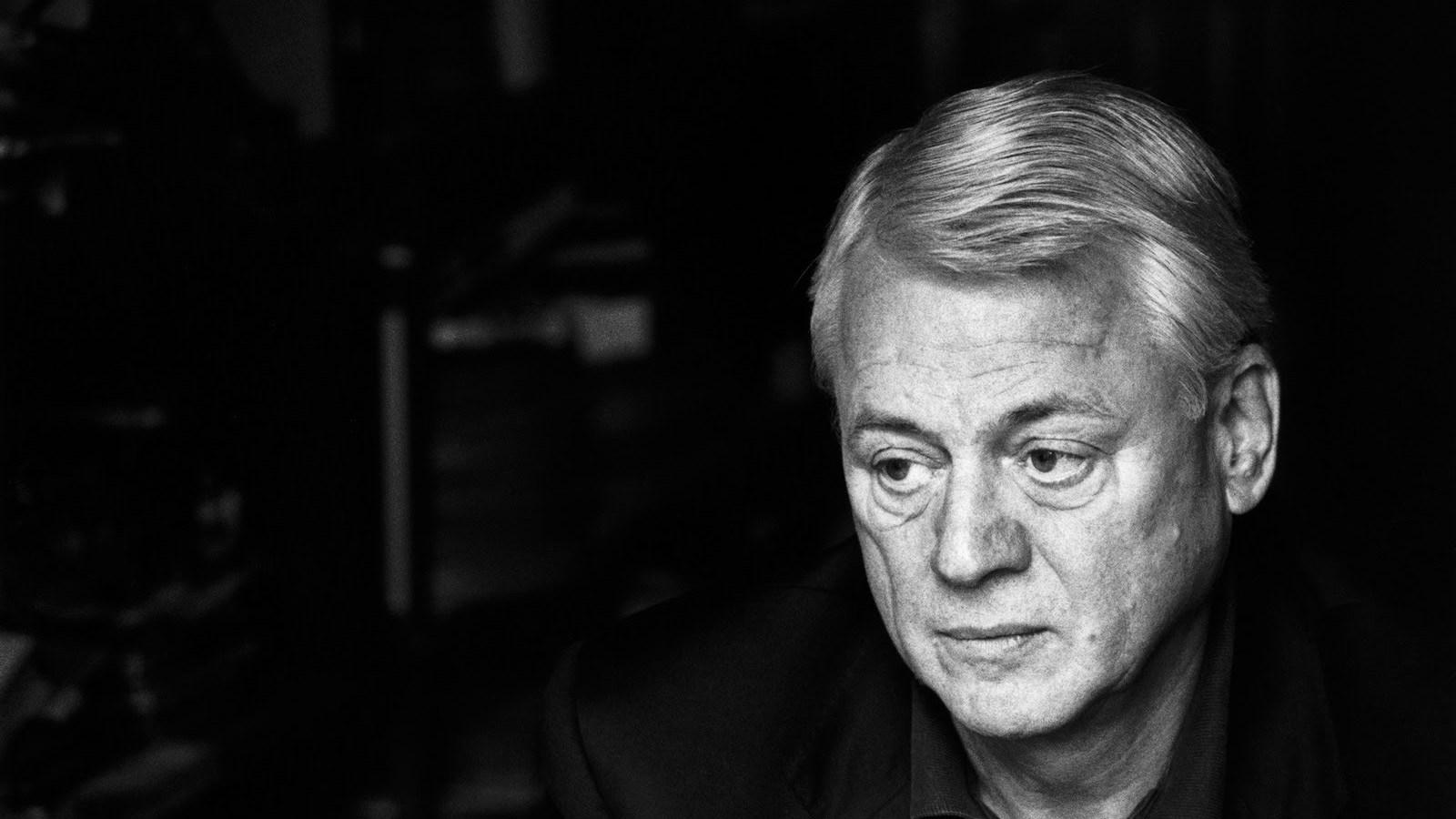
El director Alexander Kluge ha descrito su asistencia a una conferencia del, según Kluge, «inquieto observador cultural y arquitecto», Rem Koolhaas. El evento ocurrió en la gran sala de la Universidad de Munich, donde se habían reunido para oírle mil personas… Koolhaas habló en inglés, despacio, situado en un lado y lejos del micrófono.
El tema central de la disertación, según Kluge, fue la «felicidad ciega» de la que el cine ofrece sólo un indicio.
El arquitecto dijo que los medios de comunicación
«son juzgados mejor usando criterios arquitectónicos porque sus sentimientos están siempre buscando habitaciones, cuevas o casas en los cuales ellos pueden aparcarse a sí mismos. El tema no es el juicio del gusto de los espectadores, sino más su habituación (de hábito). Si por ejemplo se sienten en el hogar».
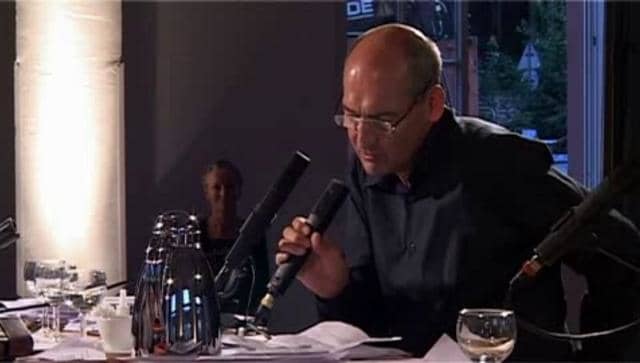
Tras este «profundo» pensamiento arquitectónico-cinematográfico, Kluge escribe que
«los oyentes se recompensaron a si mismos por sus esfuerzos por escuchar, lo que habían logrado en condiciones difíciles, con un entusiasta aplauso».
Sin embargo, la reflexión más valiosa la hace el propio cineasta
«algunos de los más imaginativos edificios del siglo XX eran de hecho cines. No eran edificios de mármol, madera y piedra, sino las mismas películas como edificios las cuales eran el acontecimiento artístico ofreciendo la esperanza que el cine puede no sólo satisfacer las necesidades de 1902, sino también (a pesar del fallecimiento de los cines) del siglo XXI»
y Kluge concluye que deberíamos ser capaces de poder visualizar
«innovadores lugares de entretenimiento futuros que «de alguna manera» tengan algo que hacer con la imagen en movimiento (y así también con el sonido en movimiento)».
Jorge Gorostiza, Doctor arquitecto.
Santa Cruz de Tenerife, diciembre 2008
Autor del blog Arquitectura+Cine+Ciudad

[:gl]
O director Alexander Kluge describiu a súa asistencia a unha conferencia do, segundo Kluge, «inquieto observador cultural e arquitecto», Rem Koolhaas. O evento ocorreu na gran sala da Universidade de Munich, onde se reuniron para oírlle mil persoas… Koolhaas falou en inglés, amodo, situado nun lado e lonxe do micrófono.
O tema central da disertación, segundo Kluge, foi a «felicidade cega» da que o cinema ofrece só un indicio.
O arquitecto dixo que os medios de comunicación
«son xulgados mellor usando criterios arquitectónicos porque os seus sentimentos están sempre buscando habitacións, covas ou casas nos cales eles poden aparcarse a si mesmos. O tema non é o xuízo do gusto dos espectadores, senón máis o seu habituación (de hábito). Se por exemplo senten no fogar».

Tras este «profundo» pensamento arquitectónico-cinematográfico, Kluge escribe que
«os oíntes recompensáronse a se mesmos polos seus esforzos por escoitar, o que lograran en condicións difíciles, cun entusiasta aplauso».
Con todo, a reflexión máis valiosa faia o propio cineasta
«algúns dos máis imaxinativos edificios do século XX eran de feito cinemas. Non eran edificios de mármore, madeira e pedra, senón as mesmas películas como edificios as cales eran o acontecemento artístico ofrecendo a esperanza que o cinema pode non só satisfacer as necesidades de 1902, senón tamén (a pesar do falecemento dos cinemas) do século XXI»
e Kluge conclúe que deberiamos ser capaces de poder visualizar
«innovadores lugares de entretemento futuros que «dalgunha maneira» teñan algo que facer coa imaxe en movemento (e así tamén co son en movemento)».
Jorge Gorostiza, Doutor arquitecto.
Santa Cruz de Tenerife, decembro 2008
Autor do blogue Arquitectura+Cine+Ciudad
[:en]
The director Alexander Kluge has described his assistance to a conference of, according to Kluge, «anxious cultural observer and architect», Rem Koolhaas.. The event happened in the great room of the University of Munich, where they had met thousand persons heard him… Koolhaas spoke in English, slow, placed in a side and far from the microphone.
The central topic of the dissertation, according to Kluge, was the «happiness it blocks up» of that the cinema offers only an indication.
The architect said that the mass media
«they are considered to be better using architectural criteria because his feelings are looking always for rooms, caves or houses in which they can be parked to yes same. The topic is not the judgment of the taste of the spectators, but any more his habituación (of habit). If for example they feel in the home».

After this «deep» architectural – cinematographic thought, Kluge writes that
«the listeners were rewarded to if same for his efforts for listening, which they had achieved in difficult conditions, with an enthusiast plaudit».
Nevertheless, the own filmmaker does the most valuable reflection
«some of the most imaginative buildings of the 20th century were of fact cinemas. They were not buildings of marble, wood and stone, but the same movies like buildings which were the artistic event offering the hope that the cinema can not satisfy only the needs of 1902, but also (in spite of the death of the cinemas) of the 21st century»
and Kluge concludes that we should be capable of being able to visualize
«innovative future places of entertainment that «somehow» have something that to do with the image in movement (and this way also with the sound in movement)».
Jorge Gorostiza, PhD architect.
Santa Cruz de Tenerife, december 2008
Author of the blog Arquitectura+Cine+Ciudad
[:]